

In the ever-evolving landscape of healthcare, home health agencies are increasingly relying on contract therapy services for home health agencies to provide specialized care to their patients. These services allow agencies to meet diverse patient needs without the overhead associated with hiring full-time staff. However, navigating the complexities of these services can be daunting. That’s where the right tools, templates, and resources come into play. In this article, we will explore essential tools and templates that can enhance contract therapy services, streamline operations, and improve patient outcomes.
Understanding Contract Therapy Services

Contract therapy services involve partnering with skilled rehabilitation clinicians who provide therapy services to patients within a home health agency’s care plan. This collaboration allows agencies to offer specialized therapy, such as physical, occupational, and speech therapy, without the burden of permanent employment. Understanding the various components and benefits of these services is crucial for optimizing care delivery. For example, agencies can quickly adapt to patient needs by bringing in specialists for short-term requirements, ensuring that therapy is tailored to individual recovery plans.
Essential Tools for Effective Management
To effectively manage contract therapy services, agencies must leverage a variety of tools that facilitate communication, scheduling, and documentation. Here are a few key tools to consider:
Scheduling Software
Efficient scheduling tools help coordinate appointments between therapists and patients, ensuring that therapy sessions are timely and organized. Look for software that allows real-time updates and sends reminders to both clinicians and patients.
Documentation Platforms
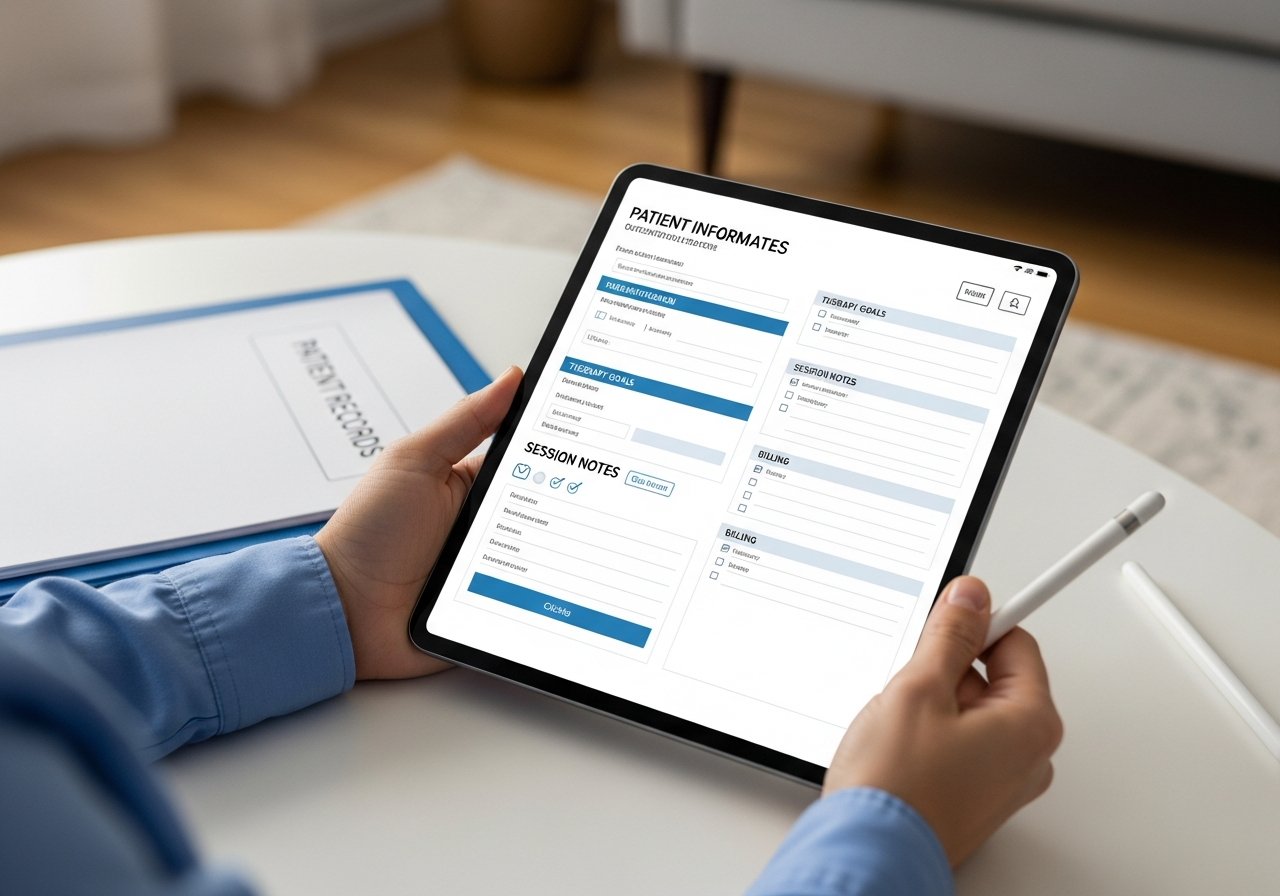
Secure platforms for maintaining patient records, therapy notes, and compliance documentation streamline the administrative burden and support regulatory compliance. These platforms should also enable easy sharing of documents between therapists and agency staff.
Communication Apps
Tools that enable real-time communication between clinicians and agency staff enhance collaboration and improve patient care coherence. An effective communication app can facilitate instant messaging, video calls, and file sharing.
Templates to Streamline Processes
Utilizing templates can significantly reduce the time spent on repetitive tasks and ensure consistency across documentation. Here are some essential templates for home health agencies:
Patient Intake Forms
Standardized forms for gathering patient information and therapy goals can enhance initial assessments. These forms should include sections for medical history, current medications, and specific therapy objectives.
Progress Notes Templates
Use templates for documenting patient progress during therapy sessions, which can be easily updated and shared. This documentation should capture key metrics and patient feedback, helping to adjust therapy as needed.
Compliance Checklists
Templates that outline agency expectations and regulatory compliance requirements ensure that all necessary steps are followed, reducing the risk of oversight. These checklists can cover items such as documentation accuracy, patient safety measures, and adherence to therapy protocols.
Resources for Ongoing Education and Support
Staying informed about industry best practices and regulatory changes is vital for home health agencies. Here are some valuable resources
Webinars and Workshops
Regular training sessions on topics such as compliance, therapy techniques, and patient engagement can be beneficial. These sessions can provide practical insights that can be immediately applied in clinical settings.
Professional Associations
Joining organizations dedicated to rehabilitation therapy can provide access to valuable research, networking opportunities, and professional development. Membership often includes access to journals, conferences, and exclusive webinars.
Online Communities
Engaging with online forums or social media groups related to home health therapy can provide peer support and shared experiences. These communities can be a platform for discussing challenges and solutions in real-time.
Best Practices for Implementing Tools and Templates
To successfully integrate new tools and templates into your agency’s operations, consider the following best practices
Training Staff
Ensure that all team members are adequately trained on the new tools and templates to maximize their potential. Regular training sessions can help reinforce usage and address any questions.
Gather Feedback
Regularly solicit feedback from therapists and administrative staff to identify areas for improvement. This feedback loop can help refine processes and ensure the tools meet the workforce’s needs.
Monitor Compliance
Implement a system for regularly reviewing documentation and processes to ensure compliance with industry standards and agency expectations. Regular audits can help catch any discrepancies and promote accountability.
Conclusion
Incorporating the right tools, templates, and resources can significantly enhance the effectiveness of contract therapy services for home health agencies. By streamlining operations and fostering collaboration, agencies can focus on what truly matters—providing exceptional care to their patients. As the healthcare landscape continues to evolve, remaining adaptable and informed is essential for success, enabling agencies to meet and exceed patient expectations.
Learn More
To fully understand how to implement these tools and templates effectively in your agency, reach out to us at FeldCare Connects. We are here to support your journey in optimizing contract therapy services.
Looking to improve contract therapy services for home health agencies?
If this topic is relevant to your goals, Contract Therapy for Home Health Agencies has related services and resources that can help you move forward.
Contact Us if you are ready to talk with Contract Therapy for Home Health Agencies, or Contract Therapy for Home Health Agencies to explore the next best step.